


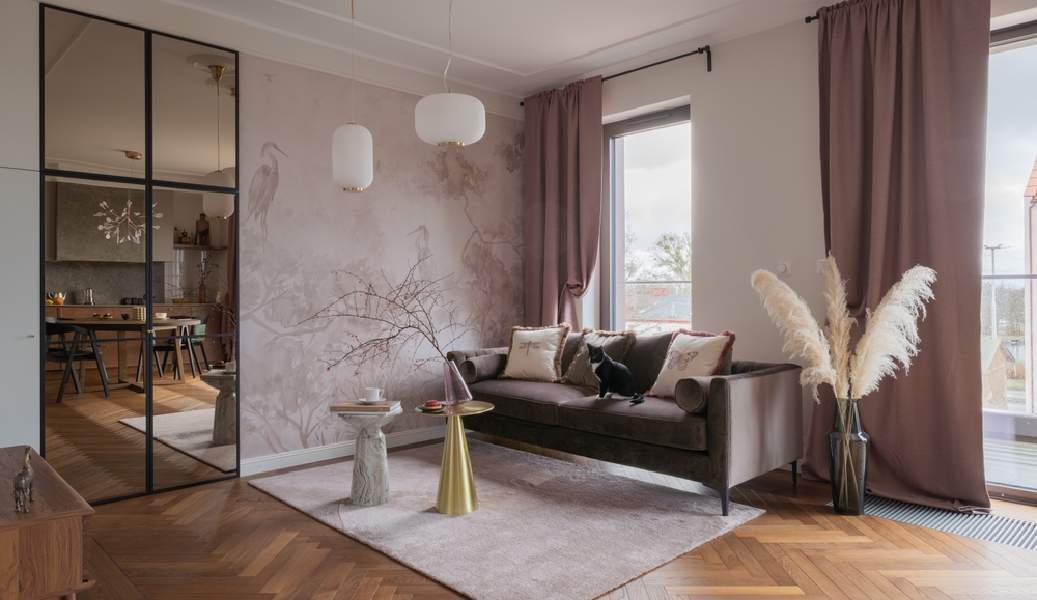
Sector 56 vs Sector 65 Gurgaon: Which Location Is Better For Buying A Luxury Home In 2026?
When buying a luxury home in Gurgaon, the choice of location can shape everyday life just as much as the apartment itself. Sector 56 and Sec...
Read More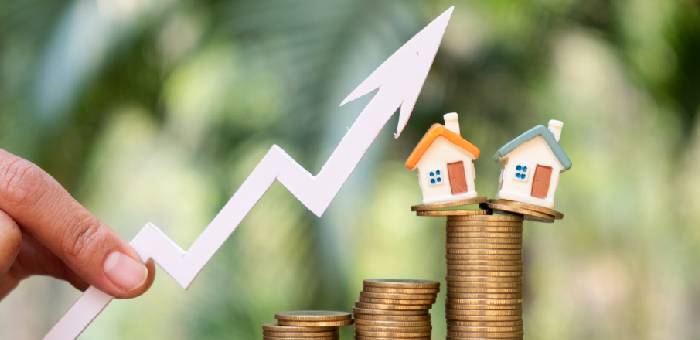
Owning a home is often described as a milestone, but the truth reveals itself a little later, when life settles back into its usual rhythm. That is when you start noticing the smaller things. The way sunlight falls differently in each room. The tiny scuff on the corner wall. The growing desire to keep the place feeling new and strong. Whether you live in one of the premium apartments in Gurgaon or are aiming for the most luxurious apartments in Gurgaon someday, long-term home value growth is not an accident. It comes from thoughtful decisions made steadily, year after year.
Increasing your home’s worth is not only about preparing for a future sale. It affects your comfort, your financial security, and how your space grows with you. For many homeowners, the question is often the same. What truly keeps value rising? And which steps bring clarity instead of confusion?
This guide brings those ideas together in a calm, practical way, so you can focus on long-term home investment tips that work in real life, not theories that sit on paper.
After the initial excitement fades, the real responsibility begins. One of the most underrated post-purchase home value tips is to maintain a simple routine for the first year. This routine keeps your home structurally sound and prevents issues from growing unnoticed.
|
Area |
What to Review |
Why It Matters |
|
Walls & ceilings |
Cracks, dampness |
Early fixes save long-term repair costs |
|
Electricals |
Load capacity, wiring |
Adds safety and prevents future failures |
|
Plumbing |
Pressure, leaks |
Good plumbing protects flooring and interiors |
This early care lays the groundwork for every value-driven improvement you make later.
A home grows in value not just through upgrades but also through the strength of its paperwork. Anyone who hopes to boost property value year after year should maintain records in a simple, organized system. Keep copies of every repair invoice, layout modification, appliance warranty, and contractor agreement.
These documents serve two purposes. They guide your future decisions, and they protect you when buyers or financial institutions request proof of upgrades or structural improvements. It is a small habit with a long shadow.
One part of real estate investment for homeowners that is often ignored is regular financial reassessment. Interest rates shift. Policies change. Loans reduce in principal. Every year or two, spend some time reviewing your loan structure. Many homeowners find that refinancing reduces the monthly burden, freeing up funds for cost-effective home improvements.
Here’s a simple way to think about it:
Lower EMI today = More room for upgrades that add tomorrow’s value.
This mindset helps you link financial planning with home equity growth tips in a way that feels achievable, not overwhelming.
Not every renovation increases property value. Some changes look attractive but offer very little return. For anyone exploring home renovation ROI, the intention should be to choose improvements that stand the test of time. The best renovations to increase home value usually blend function, durability, and aesthetic uplift without creating unnecessary strain on your budget.
● Kitchen refinements
● Bathroom modernization
● Accent lighting and energy-efficient fixtures
● Flooring upgrades that last
● Storage optimization that declutters your daily life
These are the best upgrades for return on investment because they touch everyday comfort and long-term durability together.
People often believe that upgrading a home means large budgets, but small things create real momentum. Simple exterior cleaning, repainting high-use walls, sealing doors and windows, polishing hardware, or refreshing balcony spaces can gradually increase property value over time.
These changes feel subtle yet make your home age gracefully instead of visibly wearing down.
To achieve long-term home value growth, think in terms of stages, not sudden overhauls. Spread your improvements across seasons or years. Track what you have already done. And keep an eye on new materials, efficient appliances, and structural innovations that enter the market.
Every thoughtful addition becomes a stitch in a larger fabric, strengthening your home’s financial and emotional worth.
At MNB Buildfab, we understand that a home is not simply a structure. It is a long-term investment, a daily environment, and a legacy. With nearly five decades of combined experience, we design and build with the intention that every choice today must enhance tomorrow. Our approach is built on trust, innovation, and a genuine commitment to our clients.
When we say Expect More, Get More, it reflects how we see every project and every homeowner. You are not choosing a builder. You are choosing partners who stay aligned with your journey long after the purchase.
1. Which upgrades offer the best long-term return on investment?
Upgrades that blend utility with durability tend to offer the strongest returns. Kitchens, bathrooms, smart storage, and energy-efficient fixtures usually stand out. These improvements improve daily comfort and strengthen long-term value, making them ideal for homeowners focused on steady financial growth.
2. How does documentation affect a home’s long-term value?
Clear documentation becomes a quiet advantage when selling, refinancing, or proving past improvements. Keeping invoices, warranty papers, floor plans, and contractor details helps future buyers or lenders trust the home’s history. Good record keeping protects both value and credibility over time.
3. How often should homeowners reassess their home loan or finances?
A review every one to two years helps you stay aligned with changing interest rates and market conditions. Refinancing or rebalancing your finances creates room for repairs and improvements that support long-term value growth. This habit links financial planning with meaningful home progress.
4. What are cost-effective ways to increase home value over time?
Small updates like repainting, sealing windows, improving lighting, polishing fittings, and refreshing outdoor spaces gradually uplift the home. These low-cost improvements prevent visible aging and help maintain long-term value, especially when paired with bigger upgrades completed over longer intervals.
When buying a luxury home in Gurgaon, the choice of location can shape everyday life just as much as the apartment itself. Sector 56 and Sec...
Read More
Choosing between a 4 BHK and a 4.5 BHK home sounds like a decision about half a room. In reality, it can shape how comfortably your family l...
Read More
Buying a home in Gurgaon often begins with a location. Sector, road connectivity, nearby schools, office hubs — these are usually the first...
Read More


